

Hudson Valley Vacation Rentals: The 2026 Ultimate Guide
Your Complete Resource for Luxury Escapes in Westchester, Dutchess, Orange & Putnam Counties
Introduction
Imagine waking to the sound of birdsong filtering through mullioned windows, sunlight streaming across century-old oak floors as you make your way to a gourmet kitchen where fresh coffee awaits. Through the leaded glass, rolling hills descend toward the Hudson River, and for a moment, you might believe you’ve awakened in the English countryside rather than just ninety minutes from Manhattan. This is the promise of Hudson Valley vacation rentals—European grandeur, American convenience, and experiences that transform ordinary getaways into the extraordinary.
The Hudson Valley has emerged as the premier destination for discerning travelers seeking luxury vacation rentals upstate NY, and the reasons extend far beyond mere geography. This storied region, designated as a National Heritage Area, offers something increasingly rare in our connected world: the opportunity to step into a different pace of life without sacrificing any modern comfort. From Tudor Revival castles with heated pools to contemporary glass houses perched above river views, the Hudson Valley’s rental properties span architectural eras and aesthetic sensibilities while sharing one common thread—an unwavering commitment to exceptional quality.
The post-pandemic travel landscape has fundamentally reshaped how affluent travelers approach vacations. The traditional hotel model, with its shared spaces and standardized experiences, has given way to a preference for private accommodations that offer space, privacy, and the feeling of genuine home. Multi-generational families who once booked blocks of hotel rooms now seek estates where grandparents, parents, and children can gather under one roof while maintaining individual retreats. Corporate teams that previously convened in conference centers now recognize the value of off-site gatherings in inspiring settings that foster creativity and connection. Couples celebrating milestones want more than a premium hotel suite—they desire the romance of a private castle, the intimacy of a farmhouse with river views, or the modern luxury of a designer villa.
This comprehensive guide serves as your definitive resource for planning a Hudson Valley vacation rental experience. Whether you’re drawn to the historic grandeur of Westchester County, the cultural riches of Dutchess County, the natural splendor of Orange County, or the intimate charm of Putnam County, you’ll find detailed information on what makes each area unique, which attractions merit your attention, and how to select the perfect property for your specific needs. We’ll walk you through seasonal considerations, insider tips that locals know but rarely share, and the practical details that transform good trips into unforgettable ones.
The properties featured throughout this guide represent the pinnacle of Hudson Valley hospitality. Hudson Valley Luxury Resorts has curated a portfolio of exceptional estates that embody the region’s unique character while delivering the amenities and service standards that sophisticated travelers expect. From the architectural magnificence of the Westchester Castle Tudor Estate in Ossining to the pastoral elegance of Knoll Shoal Farmhouse near West Point, these properties offer more than accommodation—they provide the setting for your next great story.
As you explore these pages, consider not just where you want to stay, but how you want to feel. The Hudson Valley rewards those who approach it with intention, who take time to explore winding back roads, who linger over farm-to-table meals, and who allow the region’s particular magic to work upon them. In 2026, that magic has never been more accessible or more needed. Your extraordinary escape awaits.
Understanding the Hudson Valley Region

Geographic Overview
The Hudson Valley stretches along the majestic Hudson River from New York City northward to Albany, encompassing a diverse landscape that has inspired artists, attracted industrialists, and provided refuge for generations of New Yorkers seeking respite from urban intensity. For the purposes of this guide, we focus on the four counties that comprise the lower and mid-Hudson Valley: Westchester, Dutchess, Orange, and Putnam. These counties represent the sweet spot for vacation rentals—close enough to Manhattan for convenience, yet far enough to feel genuinely transported.
The Maurice D. Hinchey Hudson River Valley National Heritage Area designation, bestowed by Congress in 1996, recognizes what visitors have long understood: this region possesses historical, cultural, and natural resources of national significance. The Heritage Area encompasses approximately 4,000 square miles along both shores of the Hudson, from the harbor of New York City to the confluence of the Mohawk and Hudson Rivers in Waterford. Within this expanse, travelers encounter Revolutionary War battlefields, Gilded Age mansions, world-class art institutions, and some of the most celebrated farm-to-table dining in the Northeast.
Transportation and Access
The Hudson Valley’s accessibility represents one of its greatest advantages for vacation rental guests. The Metro-North Hudson Line provides frequent service from Grand Central Terminal to stations throughout Westchester, Putnam, and Dutchess counties, with travel times ranging from approximately 35 minutes to Tarrytown to about 90 minutes to Poughkeepsie. For those staying in Westchester County, the Ossining station sits just 31 miles from Grand Central, offering convenient access for guests who prefer to leave the car behind for day trips to the city.
By car, the George Washington Bridge and Tappan Zee Bridge (officially the Governor Mario M. Cuomo Bridge) provide primary access points from Manhattan and New Jersey. The scenic Taconic State Parkway runs north-south through Dutchess and Putnam counties, offering a more leisurely alternative to the busier Interstate 87/New York State Thruway corridor. Travel times from Midtown Manhattan vary depending on destination and traffic: Tarrytown can be reached in approximately 45 minutes under favorable conditions, while destinations in Orange County typically require 60-75 minutes. During peak travel periods—Friday afternoons heading north, Sunday evenings returning south—travelers should budget additional time.
For guests arriving by air, the region is served by three major airports. Stewart International Airport in Newburgh (Orange County) offers the most convenient option for Orange and Dutchess County destinations, with direct flights from several domestic hubs. The major New York area airports—John F. Kennedy, LaGuardia, and Newark Liberty—provide comprehensive domestic and international service, with ground transportation to the Hudson Valley requiring 75-120 minutes depending on specific destination and traffic conditions.
Seasonal Characteristics
The Hudson Valley experiences four distinct seasons, each offering unique attractions and considerations for vacation rental guests. Spring (March through May) brings the awakening of historic gardens at estates throughout the region. Cherry blossoms and dogwood announce the season at sites like Kykuit and Boscobel, while the region’s numerous farm markets begin offering early-season produce. Shoulder season pricing typically applies through early June, making spring an excellent value for travelers with schedule flexibility.
Summer (June through August) represents peak season for Hudson Valley vacation rentals. Properties with pools command premium rates, and outdoor attractions including Storm King Art Center operate on extended schedules. The region’s numerous music festivals, outdoor theater productions, and farm events provide endless entertainment options. Families with school-age children find summer ideal for extended stays, with many rental properties offering weekly rates that provide significant value compared to nightly bookings.
Autumn (September through November) brings the Hudson Valley’s most celebrated season. Fall foliage typically peaks in mid-October, drawing visitors from around the world to witness the spectacular transformation of the valley’s hardwood forests. Apple picking at historic orchards, harvest festivals, and the legendary Great Jack O’Lantern Blaze at Van Cortlandt Manor make this season particularly appealing for families. Demand for vacation rentals peaks during October weekends, and advance booking of 60-90 days is strongly recommended.
Winter (December through February) offers a different but equally compelling Hudson Valley experience. Historic sites like Washington Irving’s Sunnyside present Victorian holiday celebrations, while the region’s numerous fine restaurants provide refuge from the cold. Properties with fireplaces—like the Westchester Castle Tudor Estate with its three original fireplaces—become particularly appealing during this season. Cross-country skiing, ice skating on historic ponds, and the quiet beauty of snow-covered estates attract those who appreciate the valley’s more contemplative side.
Why Choose Private Vacation Rentals
The advantages of private vacation rentals over traditional hotel accommodations have never been more apparent. For the luxury traveler, these advantages extend beyond the obvious benefits of space and privacy. A well-appointed vacation rental provides the setting for experiences that hotels simply cannot match: a dinner party prepared in a gourmet kitchen using ingredients sourced from local farm markets, morning coffee on a private terrace overlooking acres of manicured grounds, or an afternoon by a pool that serves only your party.
The economics also favor vacation rentals for groups. A six-bedroom estate that accommodates 12-13 guests often costs less per person per night than individual hotel rooms at comparable quality levels, while providing vastly more space and amenities. The ability to prepare meals on-site, whether for convenience, dietary requirements, or the pleasure of cooking together, eliminates a significant daily expense while creating opportunities for meaningful shared experiences. For extended stays—increasingly popular as remote work enables location flexibility—vacation rentals provide the home-base functionality that no hotel can match.
Westchester County: The Gateway to the Hudson Valley
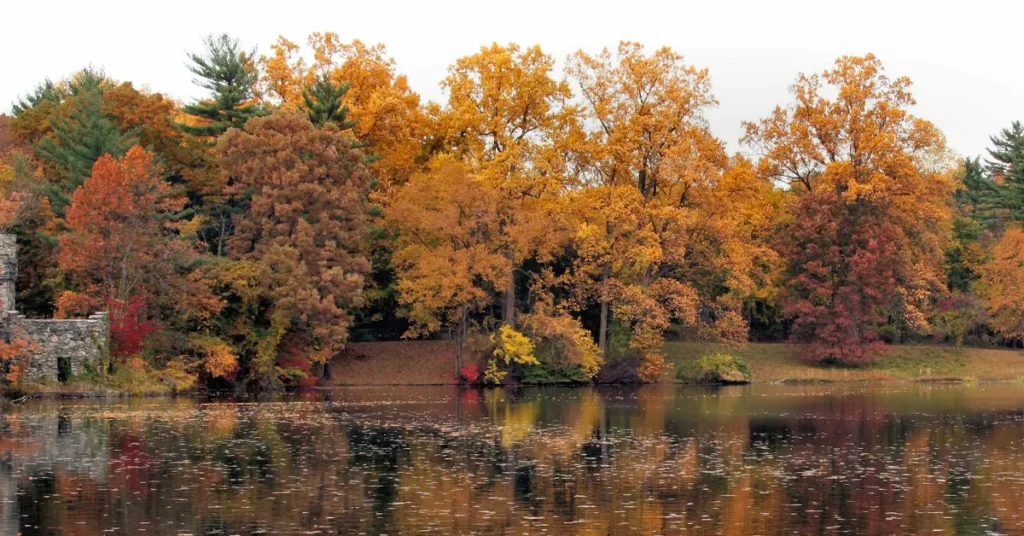
Westchester County occupies a privileged position as the Hudson Valley’s southern gateway, combining the convenience of proximity to New York City with the pastoral beauty and historic significance that define the region. For vacation rental guests, Westchester offers the best of both worlds: the ability to enjoy world-class cultural attractions, distinguished dining, and metropolitan amenities while returning each evening to the privacy and grandeur of a historic estate.
Historic Hudson Valley Sites
The Historic Hudson Valley organization operates five National Historic Landmarks that anchor any Westchester visit. Kykuit, the legendary Rockefeller estate in Pocantico Hills, offers guided tours that reveal the intersection of American industrial wealth, art collection, and landscape design. The estate’s terraced gardens house a world-class collection of modern sculpture, while the house itself provides intimate glimpses into four generations of Rockefeller family life. Tours depart from the Visitor Center at Philipsburg Manor in Sleepy Hollow, accessible at 381 North Broadway. Selected Highlights tours run approximately 90 minutes, while the Grand Tour extends to nearly three hours for those wishing to explore more deeply.
Philipsburg Manor, also in Sleepy Hollow, has undergone a multi-million-dollar restoration that focuses on the often-overlooked history of enslaved people in the colonial North. The site interprets the experiences of the 23 enslaved individuals documented as living and working on the plantation in the 1750s through tours of the gristmill, manor house, and surrounding grounds. This unflinching engagement with history distinguishes Philipsburg Manor as one of the nation’s most important interpretive sites for understanding slavery’s presence in regions typically associated with abolitionism.
Washington Irving’s Sunnyside in Tarrytown provides entry into the world of America’s first internationally celebrated author. Irving designed this riverside cottage himself, creating what he called his “little snuggery” in a romantic, picturesque style that still captivates visitors. The author who gave us Rip Van Winkle and The Legend of Sleepy Hollow lived here from 1836 until his death in 1859, and the house retains much of its original character, including Irving’s desk and many personal possessions.
The Union Church of Pocantico Hills houses an unexpected treasure: stained glass windows by Marc Chagall and Henri Matisse, commissioned by the Rockefeller family in the mid-twentieth century. The intimate stone church provides a contemplative setting for experiencing these masterworks, which include Chagall’s complete window cycle depicting biblical scenes and Matisse’s celebrated rose window, the last work completed before his death.
The Legend of Sleepy Hollow Connection
Sleepy Hollow’s literary heritage extends far beyond the obvious Halloween associations, though visitors during October will find those associations handsomely celebrated. The Old Dutch Church, built around 1685, and the adjacent Sleepy Hollow Cemetery where Washington Irving rests, provide authentic connections to Irving’s tales. The cemetery itself, established in 1849, became one of America’s first rural cemeteries and includes the graves of numerous notable Americans, from Andrew Carnegie to William Rockefeller.
The Great Jack O’Lantern Blaze at Van Cortlandt Manor has become one of the Hudson Valley’s most popular seasonal attractions. Over 7,000 illuminated, hand-carved pumpkins transform the historic grounds into a fantastical landscape each autumn, with new installations created annually. The Blaze runs from mid-September through mid-November, with tickets selling out weeks in advance for peak weekends. Historic Hudson Valley also presents Dickens’s Christmas Carol performances during the winter holiday season, offering atmospheric theatrical productions in historic settings.
Tarrytown and Sleepy Hollow
The adjoining villages of Tarrytown and Sleepy Hollow offer the most concentrated collection of attractions, dining, and walkable charm in lower Westchester. Tarrytown’s Main Street descends from the train station toward the Hudson River, lined with restaurants, boutiques, and historic buildings. The Tarrytown Music Hall, a restored 1885 opera house, presents year-round programming ranging from film screenings to concert performances. The waterfront provides stunning views of the Tappan Zee Bridge (Mario Cuomo Bridge) and the dramatic widening of the Hudson known as the Tappan Zee.
Lyndhurst, a Gothic Revival mansion designed by Alexander Jackson Davis, stands on a hillside above the river with extensive grounds open for self-guided walking tours. The mansion itself, a National Trust for Historic Preservation site, offers tours that reveal the successive transformations undertaken by three wealthy families, culminating in Jay Gould’s tenure as one of the Gilded Age’s most notorious financiers. The estate’s rose gardens, designed by Ferdinand Mangold, bloom spectacularly in June.
Ossining: HVLR Home Base
The village of Ossining, perched on the eastern bank of the Hudson approximately 31 miles north of Grand Central Terminal, offers vacation rental guests an ideal base for exploring both Westchester County and the broader region. The village’s downtown has experienced a renaissance in recent years, with new restaurants, craft beverage establishments, and boutiques joining established businesses along Main Street. The Joseph G. Caputo Community Center provides river access at Louis Engel Waterfront Park, where summer concerts and community events animate the waterfront.
Ossining’s Metro-North station provides direct service to Grand Central, making day trips to Manhattan entirely practical for vacation rental guests. The approximately 50-minute train ride passes through some of the Hudson Line’s most scenic stretches, with river views dominating the western windows. For guests arriving by car, Ossining offers convenient access to the Saw Mill River Parkway, the Taconic State Parkway, and Route 9, the historic King’s Highway that traces the river’s eastern shore.
Dining and Culinary Scene
Westchester County’s dining scene has evolved dramatically in recent years, with farm-to-table sensibility now standard at restaurants throughout the region. Blue Hill at Stone Barns in Pocantico Hills represents the pinnacle of this approach, with Chef Dan Barber’s multi-course meals drawing directly from the working farm that surrounds the restaurant. Reservations require planning well in advance—typically 30-60 days for weekend seatings—but the experience justifies the effort for serious food enthusiasts.
Throughout Tarrytown, Sleepy Hollow, and surrounding communities, restaurants at every price point demonstrate the region’s culinary sophistication. The proximity to Manhattan attracts talented chefs who appreciate the lower overhead costs and access to regional producers, while demanding local clientele ensure that standards remain high. For vacation rental guests, the abundance of excellent takeout and delivery options means that even nights at home can feature restaurant-quality meals.
Property Spotlight: Westchester Castle Tudor Estate
The Westchester Castle Tudor Estate represents the finest example of luxury vacation rental accommodation in the lower Hudson Valley. Built in 1928 at the height of the Tudor Revival movement, this 7,000-square-foot estate occupies nearly two private acres in one of Ossining’s most prestigious neighborhoods. The property’s combination of architectural grandeur, modern luxury amenities, and ideal location creates an experience that exceeds the expectations of even the most discriminating guests.
Approaching the estate through its private gates, visitors immediately sense the property’s distinction. Half-timbered facades, period stonework, and meticulously maintained grounds establish the aesthetic before a single door is opened. Inside, the estate reveals spaces designed for gracious living on a scale rarely encountered in modern construction: six bedrooms accommodate up to 13 guests in comfort, while three original fireplaces anchor gathering spaces that effortlessly host both intimate conversations and larger celebrations.
The heated pool provides year-round enjoyment—imagine the surreal pleasure of swimming in steaming water as snow falls on surrounding grounds. The gourmet kitchen satisfies both serious home cooks and those who simply appreciate beautiful design, with professional-grade appliances, ample counter space, and a breakfast room that captures morning light. Every detail reflects Hudson Valley Luxury Resorts‘ commitment to exceeding expectations: linens are premium quality and professionally laundered, amenities are regularly updated and meticulously maintained, and cleaning standards exceed hotel levels.
The estate proves equally suitable for diverse group types. Multi-generational families appreciate bedrooms that provide privacy while common areas encourage togetherness. Friend groups enjoy the resort-like amenities and space to pursue different activities. Corporate groups value the professional functionality within a relaxed setting. Wedding parties find perfect spaces for both preparation and celebration. Just 35 minutes from Manhattan by train, the Westchester Castle Tudor Estate offers access to one of the world’s great cities while providing the privacy and grandeur of a countryside retreat.
Dutchess County: The Cultural and Culinary Heart
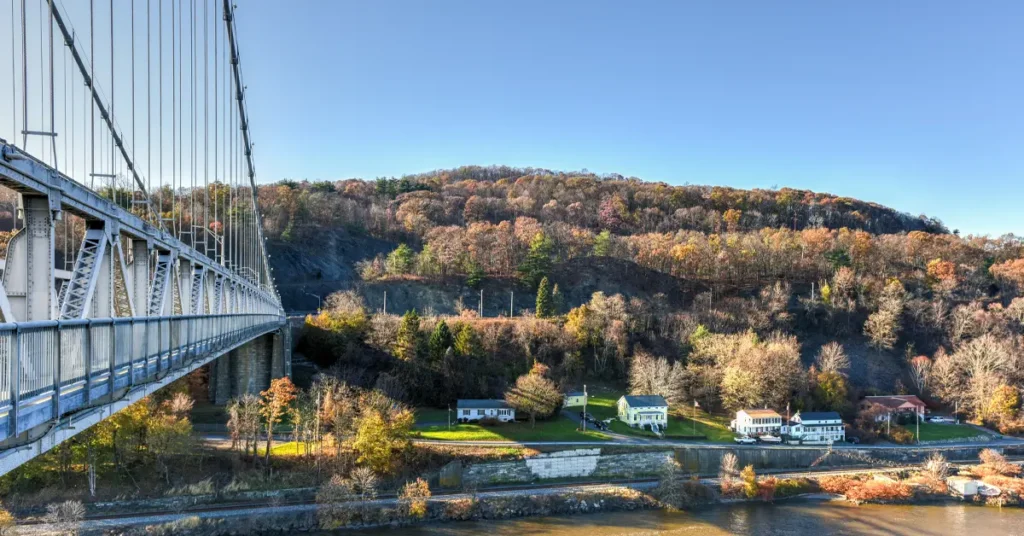
Dutchess County occupies the central stretch of the Hudson Valley, extending from the Putnam County border northward past Poughkeepsie to the Columbia County line. This is the Hudson Valley’s cultural and culinary heartland, home to the Culinary Institute of America, the extraordinary Dia Beacon museum, and a collection of historic estates that document two centuries of American wealth and taste. For vacation rental guests seeking immersion in the valley’s artistic and gastronomic offerings, Dutchess County provides the richest concentration of relevant attractions.
Beacon Arts District
The transformation of Beacon from faded industrial town to thriving arts destination ranks among the Hudson Valley’s most remarkable renaissance stories. The catalyst for this transformation, Dia Beacon, opened in 2003 in a former Nabisco box-printing factory that had sat idle for decades. The Dia Art Foundation’s decision to locate its primary exhibition space here—rather than in Manhattan or another established arts center—reflected both the facility’s extraordinary suitability and a commitment to creating destination experiences outside urban cores.
Dia Beacon occupies nearly 300,000 square feet, making it one of the largest exhibition spaces for contemporary art in North America. The museum presents the Dia Art Foundation’s collection of art from the 1960s to the present, with individual galleries designed specifically for the installation of each artist’s work. The building’s more than 34,000 square feet of skylights provide natural illumination that changes throughout the day, creating what Dia describes as a “daylight museum” where the viewing experience varies with weather, season, and time.
Beyond Dia, Beacon’s Main Street has developed into a genuine arts district with galleries representing regional and national artists, boutiques showcasing independent designers, and restaurants that would be considered excellent in any metropolitan context. The town’s walkability from the Metro-North station—approximately ten minutes to Main Street—makes it an ideal day trip destination for vacation rental guests throughout the valley. Dia Beacon operates Friday through Monday from 10am to 5pm during the spring, summer, and fall seasons, with winter hours ending at 4pm. Hudson Valley residents receive free admission on the last Sunday of each month, and City of Beacon and Newburgh residents receive free admission every day.
Rhinebeck
The village of Rhinebeck embodies the Hudson Valley’s particular combination of history, sophistication, and accessible charm. The Beekman Arms, operating since 1766, claims status as America’s oldest continuously operating inn, having hosted guests from George Washington to Franklin Roosevelt. The village’s commercial district along Market Street and East Market Street offers boutique shopping, farm-to-table dining, and the distinctive small-town ambiance that draws visitors from throughout the metropolitan area.
The Old Rhinebeck Aerodrome, located just outside the village, presents one of the region’s most unusual attractions: weekend air shows featuring vintage aircraft, primarily from the World War I era, performing aerobatics, simulated dogfights, and demonstrations of early aviation techniques. The aerodrome’s collection includes original and reproduction aircraft spanning aviation’s first decades, with hands-on exhibits and biplane rides available. For families with children fascinated by flight—or adults with nostalgic sensibilities—the aerodrome provides an unexpectedly engaging afternoon.
Hyde Park: Presidential History
Hyde Park’s collection of historic sites constitutes one of the densest concentrations of significant American heritage destinations anywhere in the nation. The Home of Franklin D. Roosevelt National Historic Site preserves Springwood, the estate where the 32nd president was born, raised, and returned throughout his life—including during his presidency. The site encompasses over 1,000 acres of gardens and trails, the presidential library (the nation’s first), and the simple gravesite where Franklin and Eleanor Roosevelt rest.
Eleanor Roosevelt National Historic Site, known as Val-Kill, preserves the only home that Eleanor Roosevelt could call entirely her own. Originally built as a retreat from the formality of Springwood, Val-Kill became Eleanor’s permanent residence after FDR’s death and served as the site where she entertained friends, activists, journalists, and official visitors in an atmosphere far more relaxed than traditional state occasions permitted. The cottage provides intimate insights into one of the twentieth century’s most influential women.
The Vanderbilt Mansion National Historic Site, also in Hyde Park, offers a striking contrast to the Roosevelt properties. This Beaux-Arts palace, designed by McKim, Mead & White for Frederick Vanderbilt, represents Gilded Age excess at its most unabashed. The mansion and its 200 acres of grounds demonstrate the lifestyle that America’s industrial fortunes enabled, with interiors that rival European palaces and views across the Hudson to the Catskill Mountains.
The Culinary Institute of America
The Culinary Institute of America‘s 170-acre riverside campus in Hyde Park represents the epicenter of American culinary education. Founded in 1946 and relocated to Hyde Park in 1972, the CIA has trained generations of America’s most influential chefs and food industry professionals. For visitors, the campus offers multiple opportunities to experience student talent and exceptional cuisine.
The CIA operates four student-run restaurants that welcome public reservations. American Bounty Restaurant focuses on Hudson Valley’s seasonal bounty, presenting contemporary and traditional regional dishes in a casually elegant setting. The Bocuse Restaurant, named for the legendary French chef Paul Bocuse, reimagines classic French cuisine through modern techniques in a strikingly contemporary space. Ristorante Caterina de’ Medici offers authentic regional Italian cuisine in a Tuscan-style villa overlooking herb gardens and the Hudson River. Apple Pie Bakery Café provides more casual options including pastries, sandwiches, and the output of the school’s baking and pastry arts students.
Reservations at CIA restaurants should be made well in advance, particularly for weekend dining and during popular seasons. The quality-to-price ratio consistently exceeds comparable restaurants elsewhere—these are serious culinary experiences at accessible prices, prepared by students under expert faculty supervision. Campus tours are also available, providing behind-the-scenes access to teaching kitchens and facilities.

Wine Trail and Craft Beverages
Dutchess County’s wine industry has matured significantly, with Millbrook Vineyards & Winery leading a collection of producers creating wines that merit serious attention. The climate presents challenges that limit grape variety options, but producers have identified varietals—particularly Chardonnay, Cabernet Franc, and Tocai Friulano—that thrive in local conditions. Beyond wine, the Dutchess Craft Beverage Trail encompasses breweries, cideries, and distilleries throughout the county, offering ample opportunity for exploration.
Walkway Over the Hudson
The Walkway Over the Hudson State Historic Park provides one of the region’s most spectacular perspectives. This former railroad bridge, built in 1888 and converted to pedestrian use after decades of abandonment, spans 6,768 feet (1.28 miles) at 212 feet above the Hudson River. The Walkway holds designation as the world’s longest elevated pedestrian bridge, and the views—extending to the Catskill Mountains, the Mid-Hudson Bridge, and the valley below—justify every superlative.
The Walkway connects Poughkeepsie on the east bank to Highland on the west, with access points at both ends. A glass elevator at Upper Landing Park in Poughkeepsie provides access from the waterfront, while walking trails connect to the Highland entrance. The Walkway operates year-round from sunrise to sunset, weather permitting, and is free to visitors. For vacation rental guests based in Westchester, the Walkway makes an excellent objective for a day trip—combine it with lunch in Poughkeepsie or Beacon, and you have an outstanding Hudson Valley experience.
Orange County: Adventure and Heritage
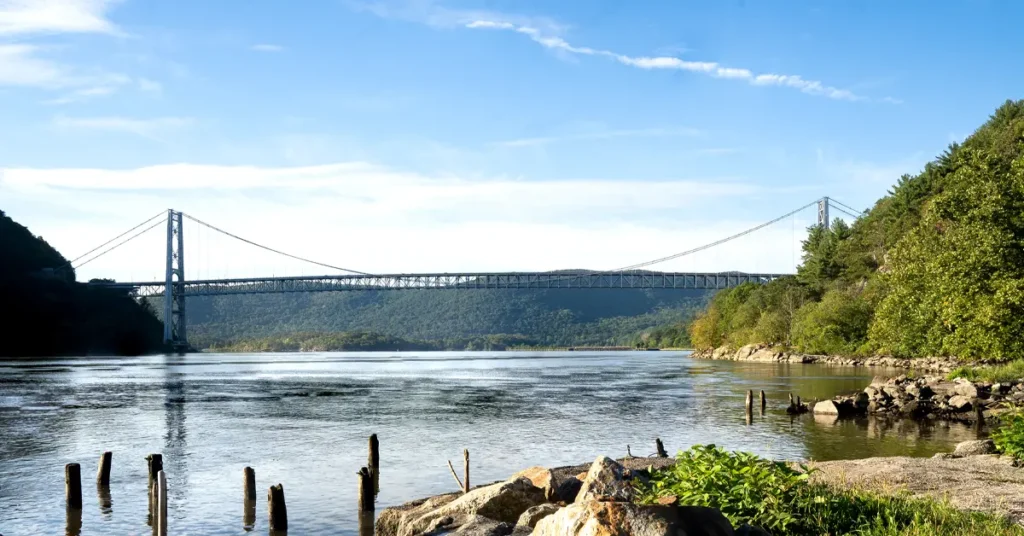
Orange County occupies the western shore of the Hudson, separated from Westchester and Putnam by the river’s dramatic passage through the Hudson Highlands. This is a county defined by contrasts: the martial precision of West Point Military Academy alongside the contemplative wonder of Storm King Art Center, the rural character of historic farming communities alongside the emerging energy of Newburgh’s revitalized waterfront. For vacation rental guests seeking outdoor adventure, cultural significance, and relative proximity to New York City, Orange County delivers abundantly.
West Point Military Academy
The United States Military Academy at West Point has trained American military leaders since 1802, making it one of the nation’s oldest and most prestigious service academies. The campus, perched dramatically above the Hudson River where the waterway makes a sharp S-turn, occupies terrain that was recognized as strategically significant during the Revolutionary War—the Great Chain stretched across the river here to prevent British naval passage.
Public access to West Point requires advance planning due to the installation’s status as an active military post. West Point Tours, the official tour operator, provides guided experiences that include the Cadet Chapel with its magnificent pipe organ (the largest in any religious facility), the cemetery where American military luminaries rest, and overlooks with commanding views of the river and surrounding highlands. Tours operate year-round with reservations available approximately three months in advance. Visitors must obtain passes at the Visitor Control Center, with valid government-issued photo identification required for all adults.
For vacation rental guests with cadets in the family, or those planning attendance at graduation, football games, or other academy events, Orange County properties provide ideal proximity. The annual graduation ceremony, typically held in late May, draws thousands of visitors and creates demand for vacation rentals throughout the region. Planning for graduation weekend accommodations should begin six months or more in advance.
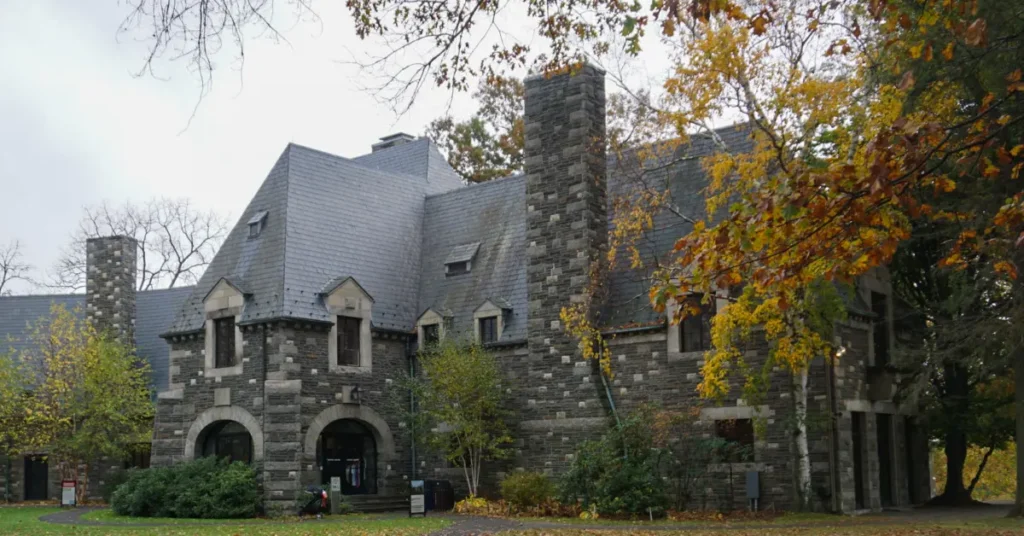
Storm King Art Center
Storm King Art Center defies simple categorization. This 500-acre outdoor museum presents a collection of more than 100 large-scale sculptures by artists including Alexander Calder, Mark di Suvero, Andy Goldsworthy, Maya Lin, and Richard Serra, sited across rolling hills, verdant fields, and woodland settings. The landscape itself—with views to the Hudson Highlands, Storm King Mountain, and Schunnemunk Mountain—becomes integral to the artistic experience.
Experiencing Storm King properly requires time and comfortable footwear. The scale of the grounds means that encountering even a fraction of the collection involves significant walking, though tram service and bicycle rentals provide alternatives. Many visitors find that multiple visits, in different seasons and weather conditions, reveal new aspects of familiar works—the interaction between sculpture, landscape, and light changes constantly.
Storm King operates seasonally from April through November, with the 2026 season scheduled to begin on April 1st. Hours are Wednesday through Monday, 10am to 5:30pm, with the grounds closing at 5pm to allow time for visitors to exit before sunset. Tickets are timed and should be purchased in advance, particularly for weekend visits during fall foliage season. Orange County students up to age 21 receive free admission with valid ID.
Cornwall-on-Hudson
The village of Cornwall-on-Hudson provides vacation rental guests with an ideal base for exploring Orange County’s attractions. Located minutes from both West Point and Storm King Art Center, Cornwall offers small-town charm, access to excellent hiking trails, and proximity to the Hudson’s western shore. The village center includes local shops and restaurants, while the surrounding landscape provides opportunities for exploration that extend well beyond the headline attractions.
Hiking options near Cornwall include trails in Storm King State Park (distinct from Storm King Art Center), Black Rock Forest, and Schunemunk Mountain. These trails range from moderate walks to challenging scrambles, with Hudson Valley and mountain views rewarding those who make the climb. For vacation rental guests with varied fitness levels, the area provides options suitable for everyone from casual walkers to serious hikers.
Newburgh Waterfront
Newburgh, once a thriving industrial city, has experienced a complex history of prosperity, decline, and ongoing renewal. The waterfront district has emerged as the focus of revitalization efforts, with restaurants, galleries, and small businesses occupying restored historic buildings. Washington’s Headquarters State Historic Site preserves the house where George Washington established the Continental Army’s headquarters during the final months of the Revolutionary War, making crucial decisions about the young nation’s future.
From Newburgh’s waterfront, views extend to Bannerman Castle on Pollepel Island, one of the Hudson’s most photogenic ruins. This former arsenal, built in the early 20th century by Frank Bannerman to store military surplus, has fallen into romantic decay since a 1969 fire. Boat tours to the island operate during warmer months, providing access to a site that otherwise can only be admired from shore.
Warwick Valley
The western reaches of Orange County encompass the Warwick Valley, a agricultural region known for apple orchards, the unique Black Dirt farming region, and a collection of wineries that capitalize on the area’s favorable microclimate. Warwick Winery offers tastings and events throughout the year, while the village of Warwick provides a quintessential Hudson Valley small-town experience with local shops, restaurants, and a charming downtown that becomes particularly appealing during fall weekends.
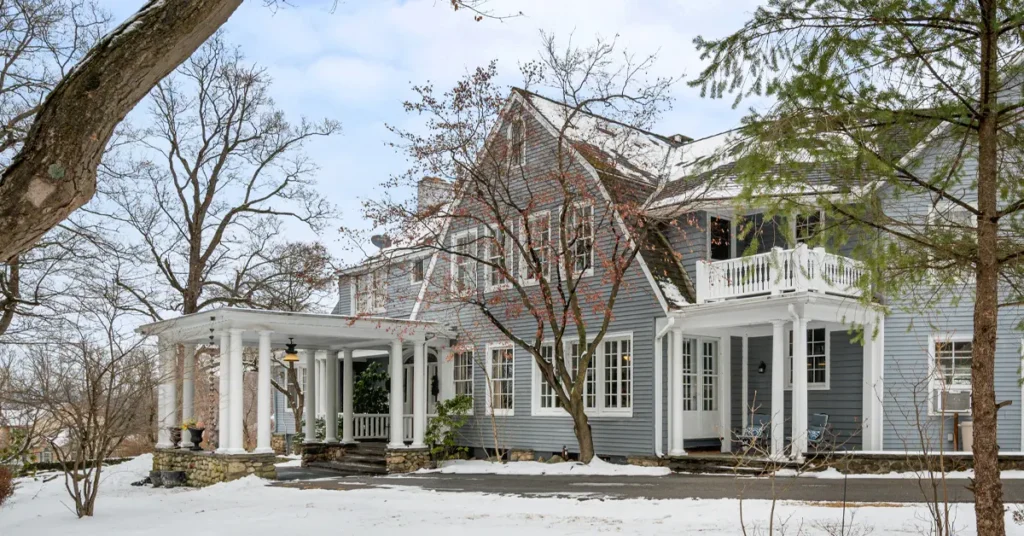
Property Spotlight: Knoll Shoal Farmhouse
Knoll Shoal Farmhouse in Cornwall offers vacation rental guests an Orange County base that combines historic character with practical proximity to the region’s major attractions. This seven-bedroom, seven-bathroom property provides spacious accommodations for large groups, with elegant interiors that honor the building’s farmhouse heritage while delivering contemporary comfort.
The farmhouse’s location proves particularly valuable for guests with specific Orange County objectives. West Point Military Academy lies just minutes away, making the property ideal for graduation weekend, family visits, or football game attendance. Storm King Art Center sits within easy reach, as do the hiking trails and natural attractions that define this western shore of the Hudson. For corporate groups seeking retreat venues that inspire while remaining functional, Knoll Shoal Farmhouse delivers both atmosphere and accessibility.
The property accommodates large gatherings with equal success, from multi-generational family reunions to wedding parties seeking a home base for celebrations at nearby venues. The combination of bedroom capacity, common space for gathering, and location near both natural and cultural attractions makes Knoll Shoal Farmhouse a versatile choice for groups whose plans encompass the full range of Orange County experiences.
Putnam County: The Hidden Gem
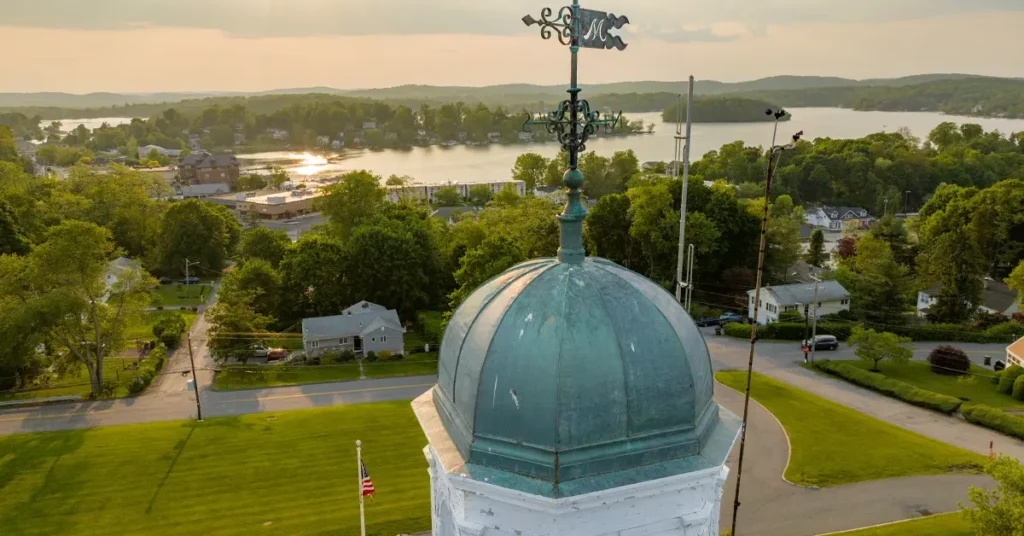
Putnam County, the smallest of the four counties covered in this guide, offers perhaps the most concentrated dose of small-town Hudson Valley charm. Tucked between Westchester to the south and Dutchess to the north, with Orange County across the river to the west, Putnam rewards visitors who appreciate intimate villages, accessible hiking, and experiences that feel discovered rather than commercialized. For vacation rental guests based in Westchester or Dutchess counties, Putnam provides ideal day trip destinations that complement the larger attractions elsewhere.
Cold Spring Village
Cold Spring has earned recognition as one of America’s most charming small towns—including recent coverage in the New York Post highlighting its appeal as an accessible escape from the city. The village’s Main Street, approximately half a mile long, packs an impressive concentration of antique shops, boutiques, cafes, and restaurants into a walkable stretch that terminates at the Hudson River waterfront. Views from the riverfront gazebo extend to West Point, Storm King Mountain, and Crow’s Nest—a panorama that captures the Hudson Highlands’ dramatic character.
Cold Spring’s Metro-North station makes the village exceptionally accessible for train travelers. The approximately 70-minute ride from Grand Central provides scenic Hudson River views throughout, and the station sits just a five-minute walk from Main Street. This accessibility has made Cold Spring a popular weekend destination, and advance planning for restaurant reservations during peak periods is strongly recommended.
The village’s literary heritage includes a connection to Don McLean, who was living in Cold Spring when he wrote “American Pie.” More broadly, the area has attracted artists, writers, and creative professionals who appreciate its combination of natural beauty, manageable scale, and proximity to New York City. This creative community contributes to Cold Spring’s distinctive character—the shops and galleries reflect genuine curation rather than generic tourism.
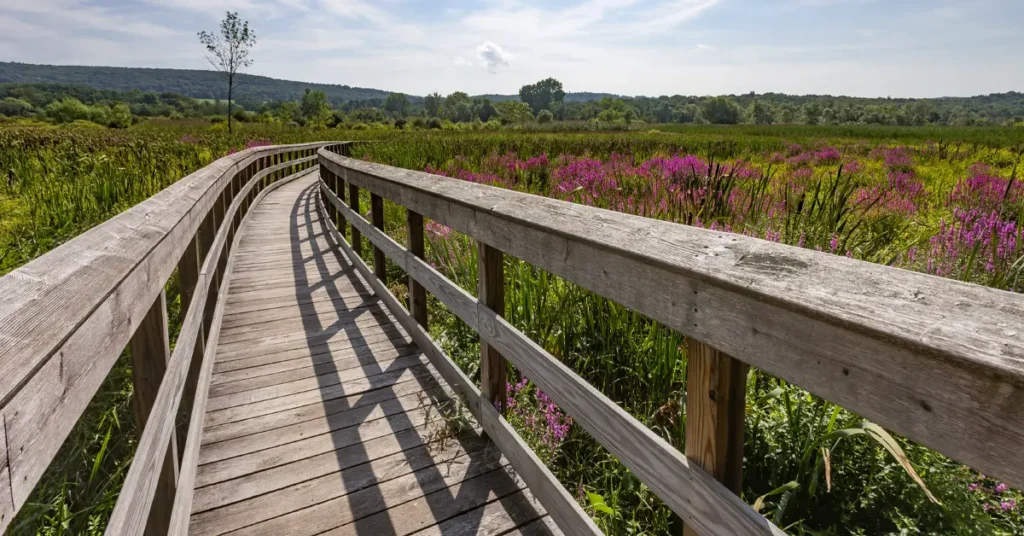
Hiking Destinations
Putnam County offers some of the Hudson Valley’s most popular hiking destinations, with trails ranging from casual walks to challenging scrambles that reward effort with spectacular views. Breakneck Ridge, accessed from a dedicated Metro-North stop during weekends, has become famous—perhaps too famous, given weekend crowds during peak season—for its steep ascent and Hudson Highlands panoramas. The trail involves genuine rock scrambling and should be approached with appropriate footwear and preparation.
Bull Hill (also known as Mount Taurus) provides a somewhat less crowded alternative with equally impressive views. The Washburn Trail offers a moderate approach to the summit, while various loop options allow hikers to customize distance and difficulty. Hudson Highlands State Park Preserve encompasses both Breakneck and Bull Hill, along with numerous other trails that explore this dramatically beautiful section of the valley.
Fahnestock State Park, east of Cold Spring, provides additional hiking options along with camping, swimming at Canopus Lake, and winter activities including cross-country skiing. The park’s extensive trail network connects to the Appalachian Trail, which passes through Putnam County on its journey between Georgia and Maine.
Garrison
The hamlet of Garrison, immediately south of Cold Spring along the Metro-North line, offers its own attractions that merit attention. Boscobel House and Gardens preserves a Federal-period mansion with extraordinary Hudson River views and English-style gardens that bloom spectacularly in season. The house itself, saved from demolition in the 1950s and relocated to its current site, contains period furnishings and decorative arts that illuminate early 19th-century American taste.
Constitution Marsh Audubon Center and Sanctuary provides a different perspective on the Hudson’s ecology. This tidal marsh, accessible via a boardwalk trail, supports diverse bird populations and provides habitat increasingly rare along the developed Hudson corridor. Birdwatchers find the marsh particularly rewarding during migration seasons, while casual visitors appreciate the peaceful contrast to the valley’s busier destinations.
Day Trip Integration
For vacation rental guests based in Westchester County, Putnam destinations make ideal day trips. Cold Spring lies approximately 25 minutes by car from Ossining, making a morning hike on Bull Hill followed by afternoon browsing and dinner on Main Street an achievable and satisfying day’s program. The Cold Spring Trolley, operating weekends from Memorial Day through Veterans Day, connects the train station to attractions including Boscobel and extends to Beacon, allowing car-free exploration across county lines.
Choosing Your Perfect Vacation Rental
Property Types
Hudson Valley vacation rentals span an exceptional range of architectural styles and property types, each offering distinct advantages for particular guest profiles. Historic estates like the Westchester Castle Tudor Estate provide the grandeur and gravitas that milestone celebrations demand—nothing announces “this is a special occasion” quite like a 1920s Tudor Revival mansion with original fireplaces and period stonework. These properties typically offer extensive common areas suitable for group gatherings, multiple bedrooms that provide privacy within shared accommodations, and grounds that create separation from the outside world.
Converted farmhouses like Knoll Shoal Farmhouse in Cornwall combine historic character with rural settings that connect guests to the Hudson Valley’s agricultural heritage. These properties often feature generous land, proximity to outdoor recreation, and the comfortable, unpretentious ambiance that makes extended stays feel natural rather than forced. For corporate retreats seeking to break down hierarchies and foster genuine connection, farmhouse settings provide an equalizing informality that formal venues cannot match.
Contemporary properties—modern villas and designer-conceived residences—appeal to guests who prefer clean lines, abundant natural light, and the particular luxury of truly current design. These properties often feature the most advanced smart home technology, sustainable building practices, and architectural ambition that distinguishes them from renovation-based alternatives. For guests who view their vacation rental as an expression of contemporary taste, these properties deliver aesthetic satisfaction that older structures cannot provide.
Group Size Considerations
Matching property capacity to group composition requires consideration beyond simple headcount. Couples seeking romantic getaways will find two-bedroom properties more appealing than grand estates where empty bedrooms create an impersonal atmosphere. Conversely, multi-generational family gatherings benefit from the spacious common areas and private bedroom retreats that larger properties provide—grandmother deserves quiet when she needs it, while children deserve space to play without constant supervision.
Corporate groups present particular requirements that leisure travelers may not consider. Meeting space—whether a dedicated conference room or a living area that can be reconfigured for presentation purposes—becomes essential for productive retreats. Strong wifi throughout the property supports the connectivity that even off-site gatherings require. Kitchen facilities that can accommodate catered meals or team cooking activities expand programming options beyond what restaurants alone can provide.
Amenity Priorities
Different amenities prove essential for different guests and seasons. Pools transform summer stays, providing on-site recreation that eliminates the need for daily excursion planning and creates natural gathering spaces for groups. Heated pools extend the swimming season into shoulder months—the Westchester Castle’s heated pool allows swimming even during winter stays, creating memorable experiences that cold-weather visitors rarely anticipate.
Fireplaces anchor winter experiences, providing both warmth and atmosphere that modern heating systems cannot replicate. Properties with multiple fireplaces allow intimate gatherings in various rooms, creating the cozy segmentation that large groups often appreciate. Gourmet kitchens merit priority for guests who consider cooking an integral part of their vacation experience—the Hudson Valley’s farm markets and specialty producers deserve proper kitchen facilities for appreciation.
Booking Direct Advantages
Booking directly through Hudson Valley Luxury Resorts provides advantages that third-party platforms cannot match. Direct booking eliminates platform fees that typically add 12-15% to rental costs, delivering immediate savings that compound for longer stays. Communication flows directly between guests and property management, without the intermediation and potential delays that platform messaging introduces. Special requests—early check-in, pre-arrival grocery stocking, specific room configurations—receive personal attention rather than automated processing.
The relationship established through direct booking extends throughout the stay. Hudson Valley Luxury Resorts‘ local knowledge means recommendations for restaurants, activities, and experiences come from genuine expertise rather than generic guidebook suggestions. When questions arise during stays—whether about property systems or local attractions—responses come from team members who know the properties and region intimately. For guests seeking the personal service that distinguishes luxury hospitality, direct booking establishes the foundation for exceptional experiences.
Seasonal Planning Guide for 2026

Spring (March-May)
Spring awakens the Hudson Valley gradually, with early March still winter in all but name. By late April, however, the transformation accelerates dramatically. Cherry blossoms and dogwood bloom throughout the region, with particularly notable displays at historic estates where generations of landscape planning have created designed sequences of color. Garden openings at Kykuit, Boscobel, and the Vanderbilt Mansion provide structured opportunities to appreciate spring’s arrival, while casual drives through the valley reveal the season’s progress field by field.
Spring offers excellent value for vacation rental guests with schedule flexibility. Rates typically remain at shoulder-season levels through early June, and availability that becomes constrained during summer opens wider possibilities. Easter weekend creates an exception, with family gatherings driving demand for larger properties. For guests considering extended stays—the emerging trend of “work from Hudson Valley” combining remote work capability with vacation rental comfort—spring provides ideal conditions before summer heat and peak pricing arrive.
Summer (June-August)
Summer represents peak season throughout the Hudson Valley, with outdoor attractions operating extended hours and vacation rental demand at annual highs. Properties with pools command premium rates and book quickly—planning for summer stays should begin in winter for optimal selection. Storm King Art Center operates Wednesday through Monday until 5:30pm, maximizing opportunity for the long twilight that summer provides. The region’s numerous outdoor festivals, concerts, and theatrical productions animate weekends throughout the season.
For families with school-age children, summer provides the extended availability that Hudson Valley exploration deserves. Weekly rates offer significant savings compared to nightly bookings, and week-long stays allow the kind of immersive experience—unhurried mornings, afternoon swimming, evening cooking with farm market ingredients—that defines memorable family vacations. The valley’s extensive recreational options, from hiking to kayaking to simply lounging by the pool, provide programming variety without requiring daily departures.
Fall (September-November)
Fall brings the Hudson Valley’s most celebrated season, with foliage typically reaching peak color in mid-October. The transformation begins in early September with subtle shifts in forest composition, builds through late September as maples begin their display, and culminates in the two weeks surrounding Columbus Day weekend with the full symphonic crescendo of color. Timing varies by elevation and specific location—higher ground colors earlier, river valleys slightly later—but the general pattern holds with reasonable consistency year over year.
October weekends see the strongest vacation rental demand of the year, with prime properties booking two to three months in advance for foliage season. The Great Jack O’Lantern Blaze at Van Cortlandt Manor runs from mid-September through mid-November, with weekend tickets selling out weeks ahead. Apple picking at historic orchards throughout the region provides family-friendly activity, while harvest festivals celebrate the agricultural heritage that remains central to Hudson Valley identity. For guaranteed availability during peak fall dates, booking no later than July is strongly recommended.
Winter (December-February)
Winter reveals a different Hudson Valley—quieter, more contemplative, and possessed of particular beauty that rewards those who venture beyond the peak seasons. Historic sites present Victorian holiday celebrations, with Dickens’s Christmas Carol performances at Historic Hudson Valley properties creating atmospheric theatrical experiences. The region’s fine restaurants, freed from the crush of tourist season, provide more intimate dining experiences with availability that summer visitors cannot imagine.
Properties with fireplaces become essential during winter stays, and the Westchester Castle Tudor Estate‘s three original fireplaces transform the coldest weekends into occasions for cozy gathering. The private pool and expansive grounds provide year-round appeal, while the estate’s three fireplaces create the cozy atmosphere that winter visitors treasure. For guests who appreciate the valley’s contemplative potential, winter delivers serenity that no other season can match, at rates that reflect lower demand.
2026 Event Calendar Highlights
West Point graduation (late May 2026) draws thousands of visitors to Orange County, creating demand throughout the region that extends beyond the immediate West Point vicinity. The Great Jack O’Lantern Blaze runs September through November with precise dates announced in summer. Storm King Art Center reopens April 1, 2026 for its seasonal run. The Culinary Institute of America operates student restaurants year-round with reservations recommended 2-4 weeks in advance. For these and other major events, vacation rental booking timelines should begin 90-180 days in advance to ensure optimal property selection.
Insider Tips and Local Secrets
Booking Strategy
The most sought-after Hudson Valley vacation rentals book according to predictable patterns that informed guests can navigate advantageously. October weekends command the highest demand and should be booked by July at the latest. Summer weekends with pool access book 60-90 days in advance. Shoulder seasons (May, early June, November) offer excellent value with availability closer to travel dates. Weeknight stays, even during peak seasons, typically remain available when weekends have long since filled.
Cancellation policies merit careful attention during booking. Reputable property managers offer policies that balance guest flexibility with property protection—Hudson Valley Luxury Resorts provides clear terms that allow reasonable modification while ensuring properties remain available for guests who commit. Travel insurance provides additional protection for circumstances beyond anyone’s control, and serious travelers should consider policies that cover the full rental value for extended stays.
Extended Stay Benefits
Weekly and monthly rentals unlock benefits that shorter stays cannot access. Weekly rates typically provide 10-15% savings compared to nightly equivalents, while monthly rates extend discounts further still. The rise of remote work has made extended Hudson Valley stays increasingly practical—guests establish temporary residence that combines vacation elements with work capability, avoiding the compression and exhaustion that weekend-only escapes often create.
Beyond economics, extended stays allow deeper engagement with the region. Farmers market rhythms become familiar. Favorite walking routes emerge. Restaurant relationships develop beyond tourist transactions. The Hudson Valley rewards the kind of patient exploration that extended stays enable, revealing layers that quick visits cannot penetrate. For guests with schedule flexibility, the extended stay represents the optimal way to experience what makes this region exceptional.
Hidden Gems
Every region contains places that locals treasure and guidebooks overlook. The Hudson Valley’s hidden gems include quiet hiking trails that parallel famous routes without the crowds, restaurants where chefs eat on their nights off, and small producers whose products rarely travel beyond farmers market stalls. Hudson Valley Luxury Resorts shares this local knowledge with guests—the advantage of a property manager who actually lives and works in the region rather than operating from distant headquarters.
Pet-Friendly Considerations
Traveling with pets requires advance planning and honest communication. Properties that accept pets do so with specific conditions—typically size limits, breed restrictions, and additional cleaning fees. Declaring pets during booking is essential; properties discovered to have hosted undisclosed animals face penalties that affect future booking ability. For guests whose pets are family members, the Hudson Valley offers numerous pet-friendly trails, outdoor dining venues, and attractions that welcome four-legged visitors.
Conclusion: Your Extraordinary Escape Awaits

The Hudson Valley occupies a unique position in American geography—close enough to New York City for practical convenience, yet possessed of character, history, and natural beauty that feel worlds removed from urban intensity. The region’s vacation rentals provide access to this character in ways that hotels cannot match, offering space, privacy, and the particular pleasure of temporary residence in remarkable properties.
Hudson Valley Luxury Resorts curates properties that represent the finest the region offers. From the Tudor magnificence of the Westchester Castle Estate in Ossining to the pastoral charm of Knoll Shoal Farmhouse near West Point, these accommodations provide more than lodging—they provide the setting for experiences that become lasting memories. Professional management ensures that every detail receives attention, from arrival to departure and everything between.
As you consider your 2026 Hudson Valley escape, reflect on what you seek: the cultural riches of Dutchess County’s museums and restaurants, the outdoor adventure of Orange County’s trails and art parks, the intimate charm of Putnam County’s villages, or the historic grandeur and convenient access of Westchester County’s estates. All await within ninety minutes of Manhattan, ready to deliver the extraordinary experiences that define memorable travel.
The fires are ready to be lit, the grounds are groomed, and the Hudson Valley stretches beyond the gates with a season’s worth of discovery. All that remains is to book your stay and step into the extraordinary.
Contact Hudson Valley Luxury Resorts
Phone: (845) 510-3188
Email: contact@hudsonvalleyluxuryresorts.com
Website: hudsonvalleyluxuryresorts.com
303 South Broadway, Tarrytown, NY 10591
Internal Link Map
Property Pages:
• Westchester Castle Tudor Estate: hudsonvalleyluxuryresorts.com/property/westchester-castle/
• Knoll Shoal Farmhouse: hudsonvalleyluxuryresorts.com/property/knoll-shoal-farmhouse/
• Soleil Manor: hudsonvalleyluxuryresorts.com/property/soleil-manor/
Related Blog Posts:
• Rent a Castle in Westchester Guide
• Where to Stay When Vacationing in the Hudson Valley
• The Ultimate Summer Hideaway: Hudson Valley’s Luxury Castles and Villas
External Link Sources
Tourism Authorities:
• Historic Hudson Valley: hudsonvalley.org
• Hudson River Valley National Heritage Area: hudsonrivervalley.com
• Metro-North Railroad: mta.info/agency/metro-north-railroad
Attractions:
• Dia Art Foundation: diaart.org
• Storm King Art Center: stormking.org
• West Point: westpoint.edu
• Culinary Institute of America: ciachef.edu
• Walkway Over the Hudson: walkway.org
• FDR Presidential Library: fdrlibrary.org
• National Park Service – Eleanor Roosevelt: nps.gov/elro
Editorial Notes – Updated December 2025
Breakneck Ridge & Metro-North Station: Closed April 21, 2025 through April 2027 for Hudson Highlands Fjord Trail Breakneck Connector construction. Bull Hill (Mount Taurus) via Washburn Trail offers comparable views and remains fully accessible.
Fahnestock State Park Campground: Closed for the entire 2026 season for bathhouse construction. Day-use areas including Canopus Lake beach, hiking trails, and Fahnestock Winter Park remain open.
Boscobel House and Gardens: The historic house museum is temporarily closed for renovation. Gardens and grounds (68 acres) are open Friday–Monday, 9 a.m. to sunset. Spectacular Hudson River views remain accessible.
Constitution Marsh Audubon Center: No on-site parking available for general visitation. The 8-car lot is reserved for Constitution Marsh visitors only. Trail access is from Warren Landing Road in Garrison.
Cold Spring Trolley: Flag-down service has been eliminated. The trolley now operates on a fixed hourly schedule with designated stops only. Service runs weekends, Memorial Day through Veterans Day.
